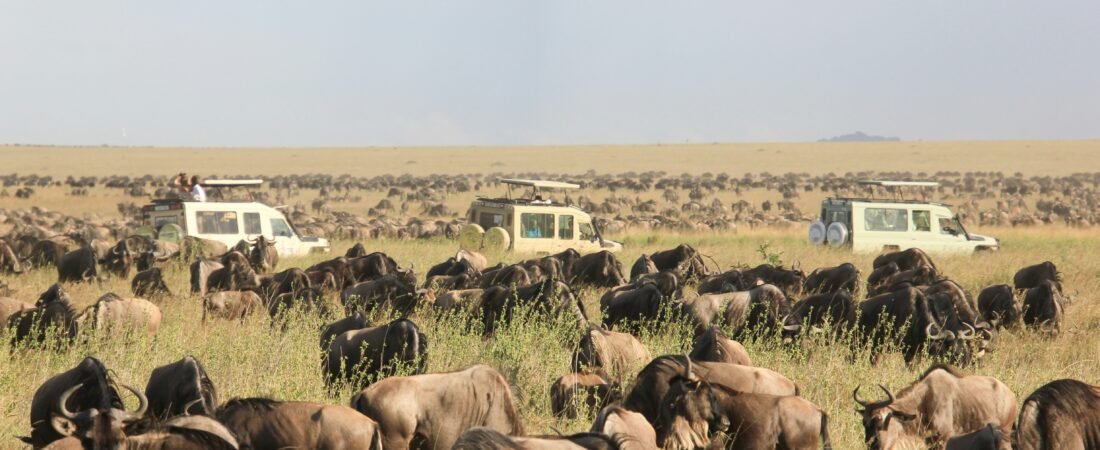
Where Africa’s Wild Heart Beats
Serengeti National Park is not just a destination — it is an experience that defines the true spirit of Africa. Located in northern Tanzania and stretching endlessly toward the Kenyan border, the Serengeti is one of the most iconic wildlife reserves in the world. Its vast golden plains, dramatic skies, and unmatched wildlife encounters make it a dream destination for nature lovers, photographers, and adventure seekers.
A Landscape That Never Ends
The name Serengeti comes from the Maasai word “Siringet,” meaning “the place where the land runs on forever.” And indeed, standing in the Serengeti feels like staring into infinity. Rolling grasslands, scattered acacia trees, rocky kopjes, and winding rivers create a breathtaking ecosystem that changes character with every season.
Sunrises and sunsets in the Serengeti are unforgettable — the sky turns shades of orange, pink, and purple as silhouettes of giraffes and elephants move slowly across the horizon.
The Great Migration: Nature’s Greatest Show
The Serengeti is world-famous for hosting The Great Migration, one of the most spectacular natural events on Earth. Every year, over 1.5 million wildebeest, along with hundreds of thousands of zebras and gazelles, move in a circular journey in search of fresh grazing land.
One of the most dramatic moments of the migration is the river crossings, especially at the Grumeti and Mara Rivers, where animals face strong currents and lurking crocodiles. Witnessing this raw struggle for survival is both thrilling and deeply humbling.
Home of the Big Five and Beyond
Serengeti National Park boasts an extraordinary concentration of wildlife. Visitors have the chance to see the legendary Big Five — lion, leopard, elephant, buffalo, and rhino — all within one park.
The Serengeti is particularly famous for its large lion population, often seen resting on kopjes or stalking prey across the plains. Cheetahs sprint across open grasslands, leopards hide in trees, and hyenas roam in powerful clans. Bird lovers are also rewarded with over 500 bird species, from colorful lilac-breasted rollers to majestic secretary birds.
Best Time to Visit Serengeti
The Serengeti is a year-round destination, but the best time depends on what you want to see:
- June to October: Dry season, excellent wildlife viewing, best for migration river crossings
- January to March: Calving season in the southern Serengeti, incredible predator action
- April to May: Green season, fewer crowds, lush landscapes, and great photography
Each season offers a unique perspective of the park’s beauty.
Safari Experiences You’ll Never Forget
A visit to the Serengeti offers more than just game drives. Travelers can enjoy:
- Hot air balloon safaris for a bird’s-eye view of the plains
- Guided walking safaris in selected areas
- Cultural visits to nearby Maasai communities
- Luxury lodges and tented camps that blend comfort with wilderness
Sleeping under the stars while hearing lions roar in the distance is an experience unlike any other.
Why Serengeti Belongs on Your Bucket List
Serengeti National Park is not only about wildlife; it is about connection — to nature, to ancient landscapes, and to life in its purest form. It reminds visitors of a world that existed long before modern cities and continues to thrive against all odds.
Whether you are planning your first African safari or returning for another adventure, the Serengeti promises moments that stay with you forever.
Serengeti is not just seen — it is felt.