Salar de Uyuni: Exploring the World’s Largest Mirror
Salar de Uyuni is one of the most surreal and breathtaking places on Earth. Located in southwest Bolivia, this vast salt flat stretches over 10,000 square kilometers, making it the largest salt flat in the world. With its endless white landscape and magical mirror-like reflections, Salar de Uyuni feels less like a destination and more like a dream.
A Landscape Like No Other
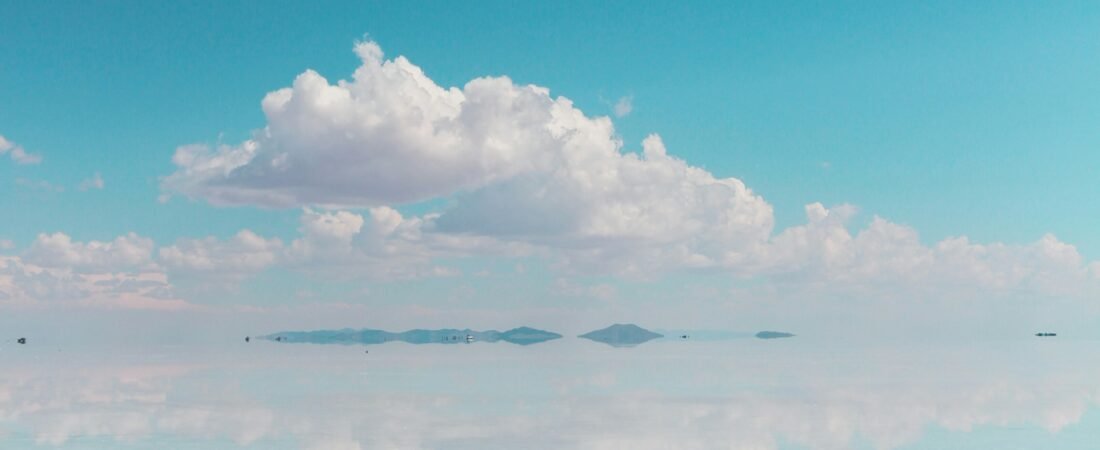
Formed from prehistoric lakes that dried up thousands of years ago, Salar de Uyuni is a blindingly white expanse of hexagonal salt patterns that extend as far as the eye can see. During the dry season, the surface becomes a giant natural mosaic, while in the rainy season, a thin layer of water transforms the salt flat into the world’s largest mirror, perfectly reflecting the sky.
This unique phenomenon creates breathtaking photo opportunities, where the horizon disappears and the sky seems to merge with the earth.
The Magical Mirror Effect
One of the main reasons travelers visit Salar de Uyuni is to witness its famous mirror effect. Between January and March, rainfall creates shallow pools of water across the salt flat, turning it into a flawless reflection of clouds, sunsets, and stars. Walking across Salar de Uyuni during this time feels like floating in the sky.
Photographers and social media enthusiasts from around the world travel here to capture gravity-defying perspective shots and dreamlike landscapes.
Unique Attractions Within the Salt Flat
A visit to Salar de Uyuni offers more than just salt. Highlights include:
- Incahuasi Island: A rocky island covered in giant cacti rising dramatically from the salt flat
- Salt Hotels: Hotels built almost entirely from salt blocks, offering a truly unique overnight experience
- Train Cemetery (Cementerio de Trenes): An eerie collection of abandoned locomotives from Bolivia’s mining era
- Colchani Village: A small town where visitors can see traditional salt processing methods
Each stop adds depth to the journey and insight into the region’s history and culture.
Best Time to Visit Salar de Uyuni
The best time to visit depends on the experience you want:
- January to March: Rainy season, famous mirror effect, fewer tours due to flooding
- April to November: Dry season, clear skies, strong salt patterns, better access for tours
Both seasons offer unforgettable views, making Salar de Uyuni a year-round destination.
Travel Tips for Visitors
Salar de Uyuni sits at an altitude of over 3,600 meters, so travelers should allow time to acclimatize. Warm clothing is essential, as temperatures can drop sharply at night, even during warmer months. Guided tours are highly recommended, as the salt flat’s vastness can be disorienting.
Bringing sunglasses, sunscreen, and plenty of water will make your visit more comfortable.
Why Salar de Uyuni Belongs on Your Bucket List
Salar de Uyuni is not just about scenery — it’s about perspective. Standing on the world’s largest salt flat makes you feel both incredibly small and deeply connected to the planet. Its silence, scale, and beauty leave a lasting impression on every traveler.
Whether you visit for photography, adventure, or pure wonder, Salar de Uyuni offers an experience unlike anywhere else on Earth.
Salar de Uyuni is where reality reflects imagination.